Introduction
In recent years, citizen science has emerged as a vital component of the scientific research landscape. By engaging the general public in scientific inquiry, researchers can harness a diverse set of skills, ideas, and enthusiasm to tackle pressing scientific challenges. As of 2026, we explore the impact of citizen science on various fields and its potential to drive significant discoveries.
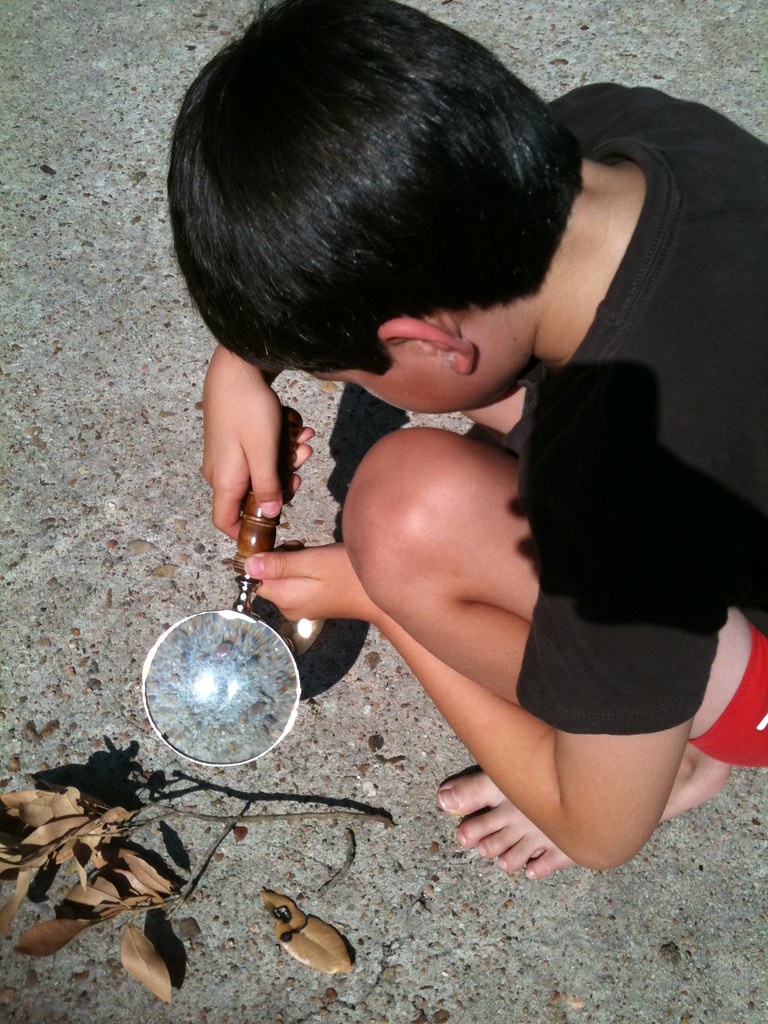
What is Citizen Science?
Citizen science refers to the practice of involving non-professional scientists, often the general public, in scientific research. It encompasses a wide range of activities, from data collection and analysis to even hypothesis generation and experimentation. This collaborative approach not only enhances scientific data but also fosters a greater understanding and appreciation for science among participants.
The Growth of Citizen Science Initiatives
Over the past decade, citizen science has gained immense traction, supported by advancements in technology and communication. Here are some notable developments in this field:
- Online Platforms: Websites and mobile applications dedicated to citizen science, such as Zooniverse and iNaturalist, have made it easier for individuals to get involved in research projects from anywhere in the world.
- Academic Collaborations: Universities and research institutions increasingly partner with citizen scientists, resulting in new research opportunities and enriched scientific data.
- Data Collection and Analysis: Modern technology enables enthusiasts to gather high-quality data, from wildlife observations to astronomical findings, which can significantly contribute to scientific understanding.
Impact on Environmental Science
One of the most successful applications of citizen science is in environmental monitoring. Citizens have played pivotal roles in various projects, including:
- Bird Counts: Initiatives like the Audubon Society’s Christmas Bird Count involve thousands of volunteer birdwatchers who gather data on bird populations, helping to track ecological changes.
- Water Quality Monitoring: Community scientists are engaged in assessing the health of local water bodies, providing data critical for environmental management and conservation efforts.
- Invasive Species Identification: Citizens contribute to identifying and reporting invasive species, assisting biologists in managing ecosystems effectively.
Advancing Medical Research
Citizen science is also making waves in the medical field. Patient-led research networks have empowered individuals to actively participate in studying diseases:
- Health Data Collection: Patients use apps to track symptoms and treatments, generating valuable datasets that can help scientists understand diseases better.
- Drug Development: Initiatives like Patient-Powered Research Networks allow patients to collaborate with researchers in finding innovative solutions to existing medical challenges.
Public Engagement and Education
Engaging citizens in scientific endeavors serves a dual purpose: advancing research and educating the public. Citizen science fosters:
- Scientific Literacy: Participants often learn about scientific methods and concepts, enhancing their understanding of the scientific process.
- Community Building: Citizen science projects create opportunities for individuals to connect with their communities, nurturing a culture of collaboration and shared purpose.
- Advocacy: Informed citizens are more likely to advocate for evidence-based policies and conservation efforts.
Challenges Facing Citizen Science
Despite its many advantages, citizen science is not without its challenges. Some of the most significant hurdles include:
- Data Quality: Ensuring that data collected by non-professionals meets scientific standards can be difficult, necessitating careful training and oversight.
- Participant Retention: Keeping volunteers engaged over the long term is essential for the success of citizen science initiatives.
- Funding and Support: Many projects rely on grants and donations; securing sustainable funding can be challenging.
Looking Ahead: The Future of Citizen Science
As we move forward into an era where technology continues to evolve rapidly, the potential for citizen science will only expand. Future trends may include:
- Integration with Artificial Intelligence: AI could enhance data analysis processes, making it easier to turn citizen observations into actionable insights.
- Increased Collaboration: We may see more partnerships between citizen scientists and professional researchers, leading to innovative research designs.
- Global Partnerships: Citizen science projects will likely extend beyond local communities, fostering international collaborations that address global challenges.
Conclusion
Citizen science has become a powerful tool for scientific discovery, bringing together enthusiastic individuals and professional researchers to tackle some of the world’s most pressing scientific questions. As we embrace this collaborative approach, we not only advance our understanding of the natural world but also cultivate a more informed and engaged citizenry. The future of citizen science is bright, offering exciting opportunities for innovation and discovery in the years to come.