The Silent Revolution: How Microbial Science is Transforming Healthcare in 2026
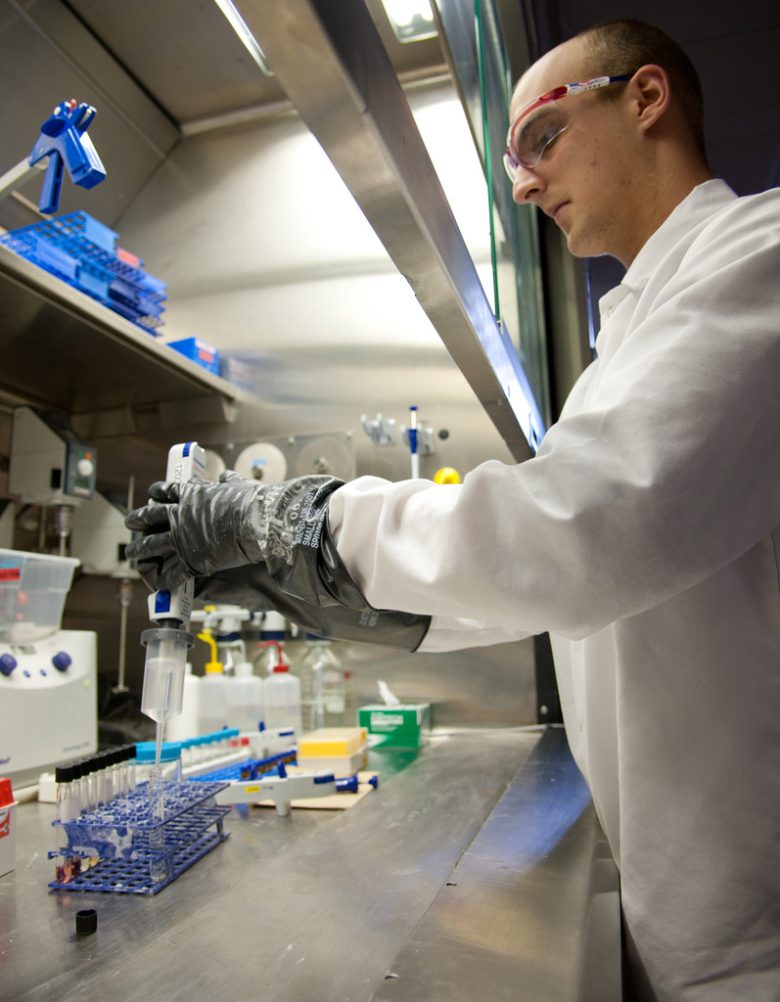
In recent years, our understanding of microbes and their relationship with human health has undergone a significant transformation. As of 2026, microbial science has emerged as a pivotal field that is reshaping healthcare practices. This article delves into the latest advancements in microbial research, emphasizing their implications for disease prevention, treatment, and overall health management.
The Microbiome: A New Frontier in Health
The microbiome, comprising trillions of bacteria, viruses, and fungi living within and on our bodies, is now recognized as a vital organ that influences our health. Recent studies have illuminated the connection between microbiome diversity and various health outcomes.
- Gut Health and Mental Well-Being: Research has established a link between gut microbiota and mental health disorders, such as anxiety and depression. Innovations in probiotics are now being tailored to enhance gut health and, consequently, improve mental well-being.
- Autoimmune Diseases: The composition of the microbiome has shown potential in modulating immune responses. Scientists are exploring therapies that aim to restore microbiome balance for conditions like rheumatoid arthritis and Crohn’s disease.
- Metabolism and Obesity: Recent findings indicate that certain bacterial strains can influence metabolic processes. This insight has led to the development of tailored dietary interventions aimed at weight management through microbiome modulation.
Antimicrobial Resistance: The Role of Microbial Science
As healthcare systems grapple with the rising threat of antimicrobial resistance (AMR), microbial science is crucial in formulating effective strategies. In 2026, researchers are employing advanced genomic techniques to identify new antimicrobial compounds derived from microbes. These efforts aim to combat resistant strains of bacteria and restore the efficacy of existing antibiotics.
- Phage Therapy: Bacteriophages, viruses that infect bacteria, are gaining traction as a viable alternative to antibiotics. Clinical trials are underway to assess their effectiveness against resistant infections.
- Targeted Treatments: Using insights from the microbiome, targeted therapies are being developed to address infections while minimizing disruption to beneficial microbes.
Innovative Diagnostic Tools
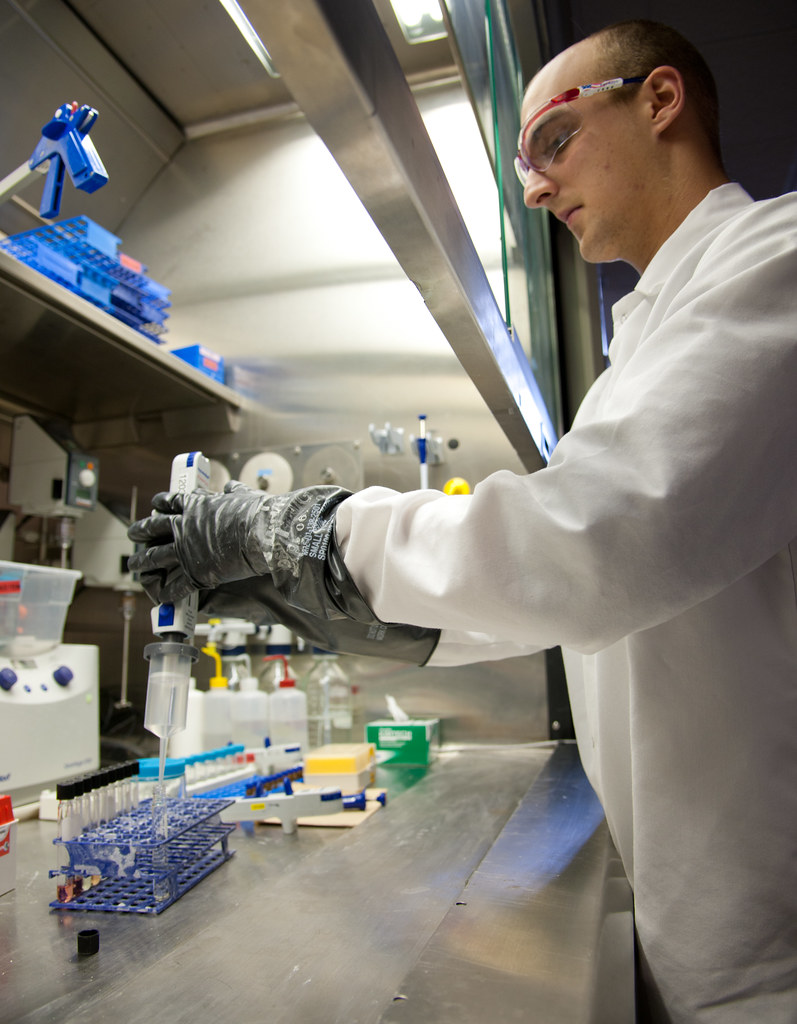
Microbial science is not just about treatment; it is also significantly impacting diagnostic methods. With advancements in DNA sequencing technologies, rapid and accurate identification of pathogens is now possible. In 2026, healthcare providers can leverage these innovations for improved disease tracking and management.
- Point-of-Care Testing: Portable devices that utilize genomic analysis are enabling quick turnaround times for diagnosing infections, allowing for timely intervention.
- Personalized Medicine: By analyzing a patient’s microbiome, healthcare can be more personalized, leading to tailored treatment plans based on individual microbial profiles.
Building a Sustainable Future Through Microbial Science
The implications of microbial science extend beyond human health. Research is now exploring how microbial communities can contribute to sustainable practices in agriculture, waste management, and bioremediation.
- Soil Health and Agriculture: Understanding the role of soil microbes in plant health is revolutionizing farming practices, promoting organic farming, and reducing reliance on chemical fertilizers.
- Bioremediation: Microbes are being harnessed to clean up polluted environments, offering eco-friendly solutions for waste management.
The Road Ahead: Challenges and Opportunities
While the advancements in microbial science are promising, challenges remain. Issues related to regulation, public perception, and ethical considerations in microbial manipulation need careful addressing. However, the potential benefits of microbial science, from healthcare innovations to sustainable practices, are profound.
As we move deeper into 2026, the silent revolution of microbial science continues to evolve, promising a healthier and more sustainable future. Embracing this knowledge can empower us to make informed choices in our health and the environment.