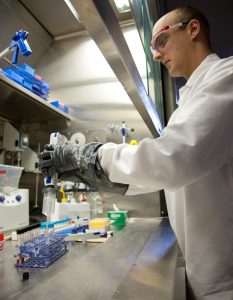
Introduction
As we navigate through 2026, the field of environmental chemistry is experiencing a significant transformation. This evolution is driven by the urgent need to address environmental challenges such as pollution, climate change, and resource depletion. In this article, we will explore the latest advancements in environmental chemistry and how they are shaping our approach to sustainability.

Understanding Environmental Chemistry
Environmental chemistry is the study of chemical processes occurring in the environment and their impact on human health and the ecosystem. It encompasses several disciplines, including organic chemistry, inorganic chemistry, and analytical chemistry, focusing on pollutants, their behavior, and their effects on the environment.
The Role of Environmental Chemistry in Solving Global Issues
Environmental chemists play a crucial role in identifying and mitigating environmental problems. Here are some key areas where their work is making a difference:
- Pollution Control: Researchers are developing innovative methods to detect and reduce pollutants in air, soil, and water.
- Climate Change Mitigation: Understanding the chemistry of greenhouse gases is vital for developing strategies to combat climate change.
- Sustainable Practices: Environmental chemistry promotes sustainable practices by offering insights into the life cycle of materials and their environmental impact.
Current Trends in Environmental Chemistry for 2026
In 2026, several exciting trends are emerging within the field of environmental chemistry:
1. Green Chemistry Innovations
Green chemistry focuses on designing chemical products and processes that minimize pollution and reduce the use of hazardous substances. This approach is becoming mainstream, with industries adopting greener alternatives in everyday practices.
- Biodegradable Chemicals: The use of biodegradable alternatives in manufacturing and agriculture is gaining traction, reducing the burden of plastic pollution.
- Water-Soluble Solvents: Researchers are developing safer, water-based solvents that minimize environmental harm.
2. Advanced Detection Technologies
Innovations in detection technologies are transforming how we monitor environmental pollutants:
- Real-Time Monitoring: New sensors provide real-time data on air and water quality, allowing for quicker response to contamination.
- Remote Sensing: Satellite technology is being utilized to track pollutants across vast areas, offering a birds-eye view of environmental health.
3. Climate-Resilient Materials
As climate change intensifies, researchers are focusing on developing materials that can withstand extreme conditions. These materials are crucial for building resilient infrastructures:
- Eco-Friendly Construction Materials: Innovations in materials science are yielding products that are not only sustainable but also durable in changing climates.
- Carbon Capture Technologies: New materials are being developed to efficiently capture carbon dioxide from the atmosphere, aiding in climate change mitigation efforts.
The Impact of Environmental Chemistry on Policy and Society
The advancements in environmental chemistry are not just scientific breakthroughs; they have far-reaching implications for policy-making and society:
1. Informing Environmental Regulations
As scientists uncover new data about pollutants and their effects, policymakers are better equipped to create regulations that protect the environment and public health. This collaboration is essential for establishing effective environmental laws.
2. Engaging Communities in Sustainability
Environmental chemists are working alongside communities to promote sustainability and educate the public about environmental issues. Initiatives that involve local populations lead to more informed decision-making and foster a culture of sustainability.
Challenges Ahead for Environmental Chemistry
Despite the progress made in environmental chemistry, several challenges remain:
- Funding and Resources: Many environmental chemistry projects struggle with inadequate funding, which can hinder research and innovation.
- Public Perception: Misconceptions about chemical processes can lead to public skepticism and resistance to new technologies.
Conclusion
The evolution of environmental chemistry in 2026 is a testament to the discipline’s critical role in addressing pressing global challenges. Through the combined efforts of scientists, policymakers, and communities, we can foster a healthier planet and create a sustainable future. As we move forward, it is vital to support research in this field and embrace the innovations that promise to reshape our environmental landscape.