Introduction
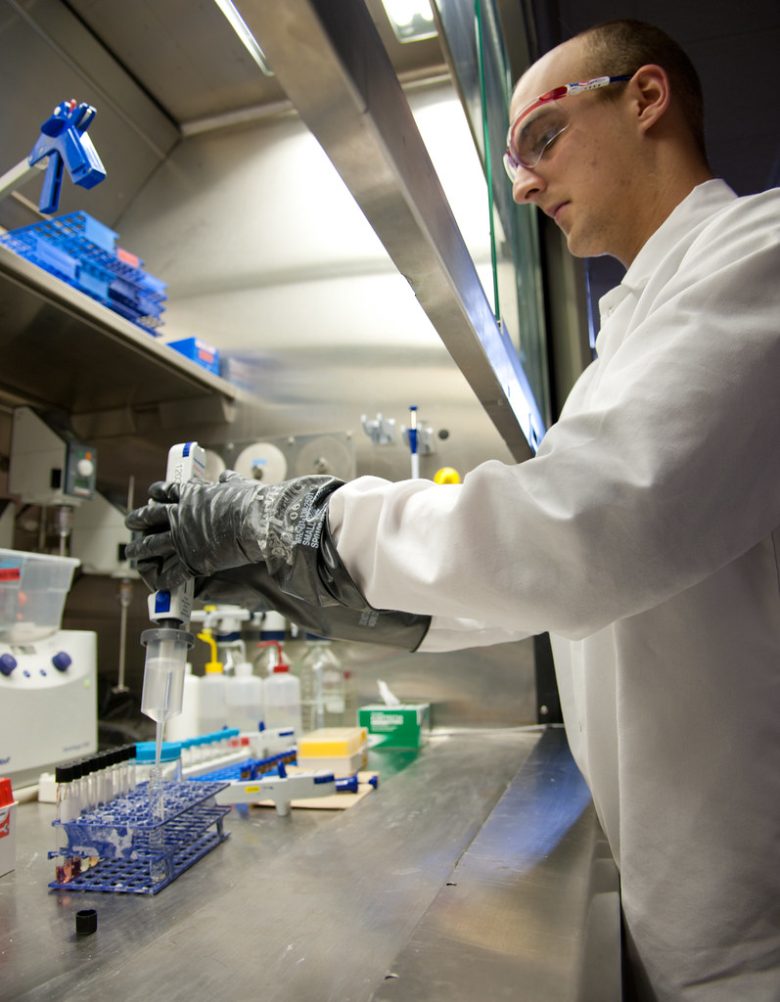
As we step into 2026, the relationship between nanotechnology and medicine has reached an unprecedented level of synergy. With advancements in both fields, researchers and practitioners are uncovering new ways to combat diseases, improve patient outcomes, and enhance drug delivery systems. This article delves into the exciting developments at this intersection, examining how nano-sized innovations are shaping the future of healthcare.
The Basics of Nanotechnology
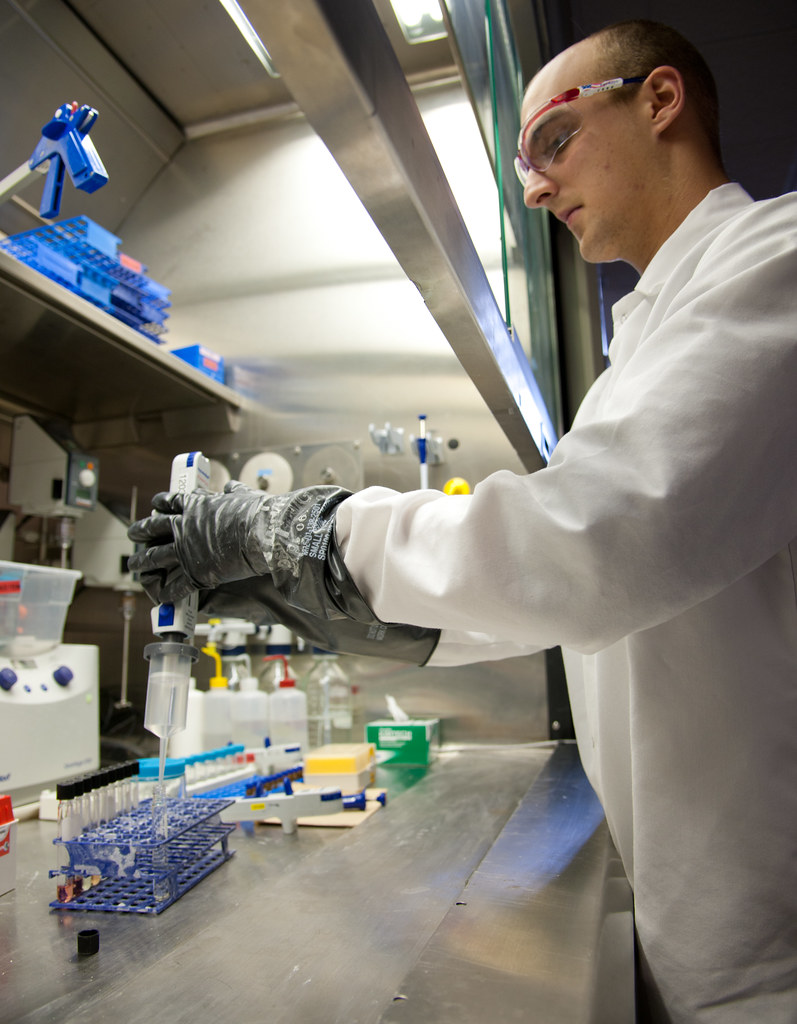
Nanotechnology involves manipulating matter at the nanoscale, typically at dimensions between 1 and 100 nanometers. This field has revolutionized various industries, particularly healthcare, where it offers innovative solutions to longstanding challenges. By harnessing the unique properties of materials at this scale, scientists can develop more effective diagnostics, therapies, and medical devices.
Key Characteristics of Nanomaterials
- Increased Surface Area: Nanomaterials possess a larger surface area-to-volume ratio, enhancing their reactivity and interaction with biological systems.
- Enhanced Physical and Chemical Properties: At the nanoscale, materials exhibit different optical, magnetic, and electrical properties compared to their larger counterparts.
- Improved Penetration: Nanoparticles can penetrate biological barriers more effectively, allowing for targeted drug delivery.
Applications of Nanotechnology in Medicine
Nanotechnology has found applications in several key areas within medicine, particularly in drug delivery, diagnostics, and tissue engineering.
1. Targeted Drug Delivery
One of the most promising applications of nanotechnology in medicine is targeted drug delivery. Nanoparticles can be engineered to carry therapeutic agents directly to the site of disease, minimizing side effects and maximizing efficacy.
Case Example: Cancer Treatment
In cancer therapy, nanoparticles can be designed to recognize and bind to cancer cells specifically, releasing the drug only when attached to the target. This approach not only reduces the toxicity of traditional chemotherapy but also enhances the overall treatment efficiency.
2. Advanced Diagnostics
Nanotechnology is transforming diagnostic techniques, allowing for earlier disease detection and more accurate diagnoses. Nanoscale biosensors are emerging as powerful tools that can detect biomarkers at extremely low concentrations.
Point-of-Care Testing
These advanced diagnostics are particularly valuable in point-of-care settings, where rapid results can lead to timely interventions. For example, nanosensors are being developed to quickly diagnose infectious diseases, enabling healthcare providers to initiate treatment sooner.
3. Tissue Engineering and Regenerative Medicine
Tissue engineering is another area benefiting from nanotechnology. By utilizing nanomaterials, researchers are developing scaffolds that mimic the extracellular matrix, providing a conducive environment for tissue growth.
Examples in Regenerative Medicine
These scaffolds can be utilized in various applications, including:
- Bone regeneration
- Cartilage repair
- Skin grafts
Advances in nanotechnology are enhancing the biocompatibility and functionality of these scaffolds, ultimately improving the success rates of regenerative therapies.
Challenges and Considerations
While the potential of nanotechnology in medicine is immense, several challenges remain to be addressed. These include:
- Safety Concerns: The long-term effects of nanoparticles on human health and the environment are still not fully understood, raising concerns about toxicity and bioaccumulation.
- Regulatory Hurdles: As a relatively new field, nanomedicine faces regulatory challenges in terms of approval and standardization, which can slow down the introduction of innovative therapies.
- Cost of Development: Developing nanotechnology-based medical solutions can be costly, potentially limiting their accessibility to patients.
The Future of Nanotechnology in Medicine
Looking ahead, the integration of nanotechnology into medicine promises exciting developments. Here are some trends to watch in the coming years:
- Personalized Medicine: As our understanding of genomics and proteomics advances, nanotechnology will play a vital role in tailoring treatments to individual patients based on their unique biological profiles.
- Smart Drug Delivery Systems: Future innovations may lead to the creation of intelligent nanoparticles that can respond to specific stimuli in the body, releasing drugs only when needed.
- Telemedicine Integration: Nanotechnology could enhance telemedicine by allowing for remote monitoring of patients’ health through nanosensors that communicate data to healthcare providers.
Conclusion
The intersection of nanotechnology and medicine stands at the forefront of healthcare innovation in 2026. With targeted drug delivery, advanced diagnostics, and enhanced tissue engineering capabilities, the potential benefits are profound. As researchers continue to explore this exciting domain, it is essential to navigate the challenges responsibly, ensuring that the advancements not only usher in a new era of treatment but also prioritize patient safety and accessibility. The future of healthcare is undoubtedly bright, and nanotechnology will be a crucial player in shaping its trajectory.