The Rise of Citizen Science
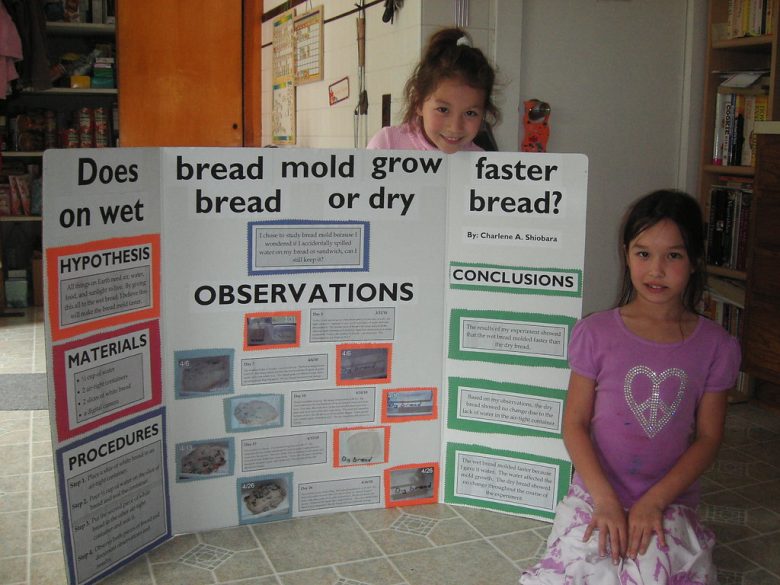
In recent years, the concept of citizen science has gained significant traction, empowering everyday individuals to contribute to scientific research. By 2026, this movement has evolved into a critical component of the scientific community, enabling researchers to gather vast amounts of data while fostering public engagement and education.
What is Citizen Science?
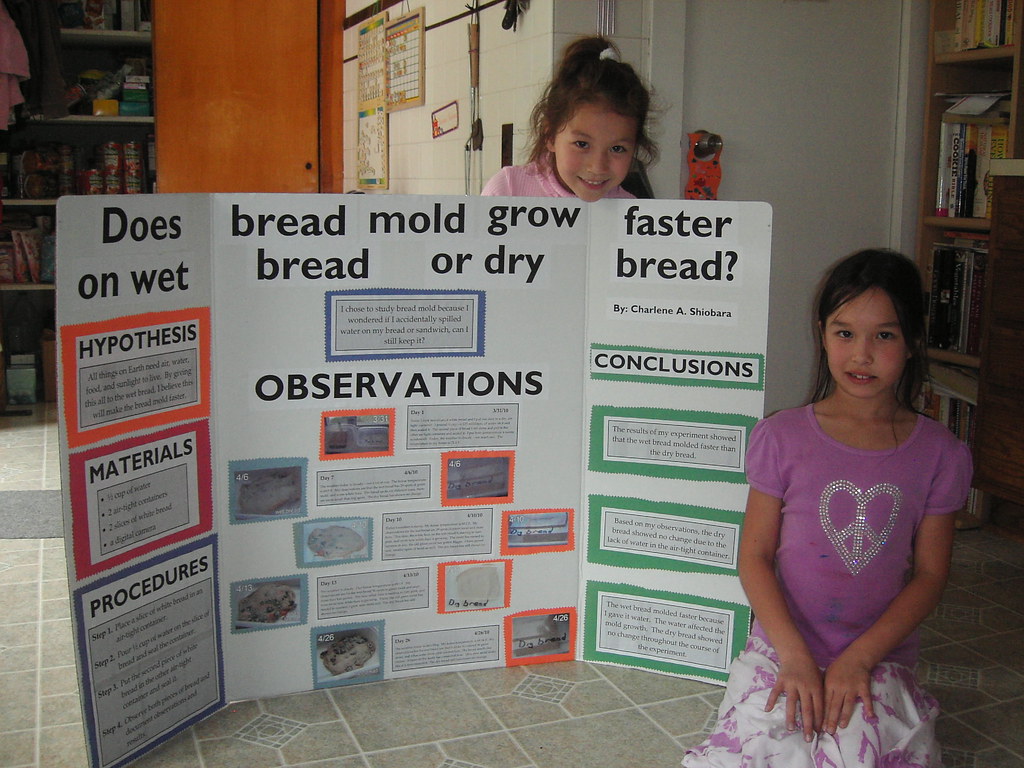
Citizen science refers to the practice where non-professional scientists contribute to scientific research, typically through data collection and analysis. This collaborative approach has democratized science, allowing people from various backgrounds to participate in research projects that would otherwise be limited to academic institutions.
Importance of Citizen Science in Modern Research
Citizen science plays a pivotal role in various fields, including environmental monitoring, public health, and astronomy. Here are some ways it is making an impact:
- Data Collection: Large-scale projects often require extensive data that can be difficult to collect by traditional means. Citizen scientists help gather this data efficiently.
- Public Engagement: Involving citizens in scientific research enhances public understanding of scientific methods and promotes interest in scientific inquiry.
- Cost-Effective Research: Utilizing volunteers for data collection reduces the financial burden on research projects, allowing funds to be allocated to other critical areas.
- Diverse Perspectives: Engaging a broader community brings diverse insights and approaches to scientific questions, leading to richer outcomes.
Examples of Successful Citizen Science Projects
As the citizen science movement continues to grow, many successful projects have emerged. Some notable examples include:
- eBird: This project, run by the Cornell Lab of Ornithology, invites birdwatchers to submit their observations. The amassed data helps researchers track bird migration patterns and population trends.
- Zooniverse: An online platform that hosts a variety of citizen science projects across different fields, from climate science to history. Volunteers contribute by classifying images or transcribing texts.
- Foldit: A unique game where players fold proteins in a virtual environment to aid scientific understanding of protein structure, demonstrating that gaming can contribute to complex biological challenges.
Challenges and Limitations
While the benefits of citizen science are significant, there are also challenges to consider:
- Data Quality: Ensuring that the data collected by non-professionals meets scientific standards can be a concern. Proper training and quality control measures are essential.
- Participant Retention: Keeping volunteers engaged over the long term can be difficult. Projects must develop strategies to foster a sense of community among participants.
- Access and Equity: Not everyone has equal access to technology or the internet, which can limit participation in citizen science initiatives. Ensuring inclusivity should be a priority.
The Future of Citizen Science
Looking ahead to 2026 and beyond, the future of citizen science appears promising. Advancements in technology, such as mobile apps and social media, are making it easier for individuals to participate. Emerging trends include:
- Integration with AI: Artificial intelligence is being employed to help analyze data collected by citizen scientists, streamlining the process and improving accuracy.
- Focus on Local Issues: More projects are emerging that focus on local environmental concerns, allowing communities to engage with issues that directly affect them.
- Collaborations with Institutions: Partnerships between academic institutions and citizen science organizations are becoming more common, enhancing credibility and expanding research capabilities.
How to Get Involved in Citizen Science
If you’re interested in participating in citizen science, there are many ways to start. Here are some tips:
- Find a Project: Websites like SciStarter and CitizenScience.gov offer databases of ongoing projects where you can contribute your time and skills.
- Participate in Local Initiatives: Many communities have local citizen science projects focused on environmental monitoring, wildlife conservation, or public health.
- Engage with Social Media: Follow citizen science organizations on platforms like Twitter and Facebook to stay updated on new projects and initiatives.
Conclusion
Citizen science represents a powerful way for individuals to engage with scientific research and contribute to meaningful change. As we move further into 2026, embracing this collaborative approach will not only advance our understanding of complex scientific issues but also foster a sense of community and shared responsibility. Whether you’re a seasoned researcher or a curious newcomer, there is a place for everyone in the citizen science movement.