Understanding the Human Microbiome
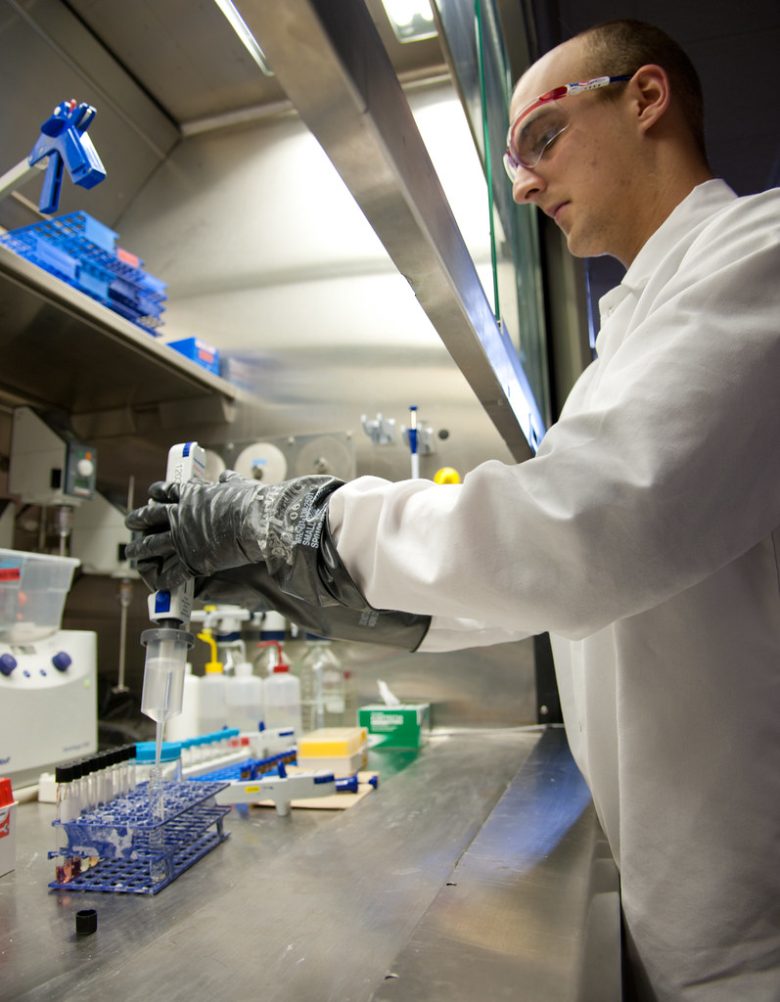
The human microbiome, a complex ecosystem of trillions of microorganisms residing in our bodies, plays a crucial role in our health and well-being. Recent advancements in microbiome research have unveiled fascinating insights about the interplay between these microorganisms and various bodily functions, leading to innovative treatments and health strategies in 2026.
The Composition of the Microbiome
The human microbiome is predominantly composed of bacteria, viruses, fungi, and archaea. These microorganisms are found in various body sites, including the gut, skin, and oral cavity. Notably, the gut microbiome has garnered the most attention due to its significant impact on digestion, metabolism, and immune system function.
- Bacterial Diversity: A healthy microbiome features a diverse array of bacterial species, which is essential for maintaining balance and preventing dysbiosis (microbial imbalance).
- Functional Roles: Different bacteria perform specialized functions, such as breaking down complex carbohydrates and synthesizing essential vitamins.
Innovations in Microbiome Research
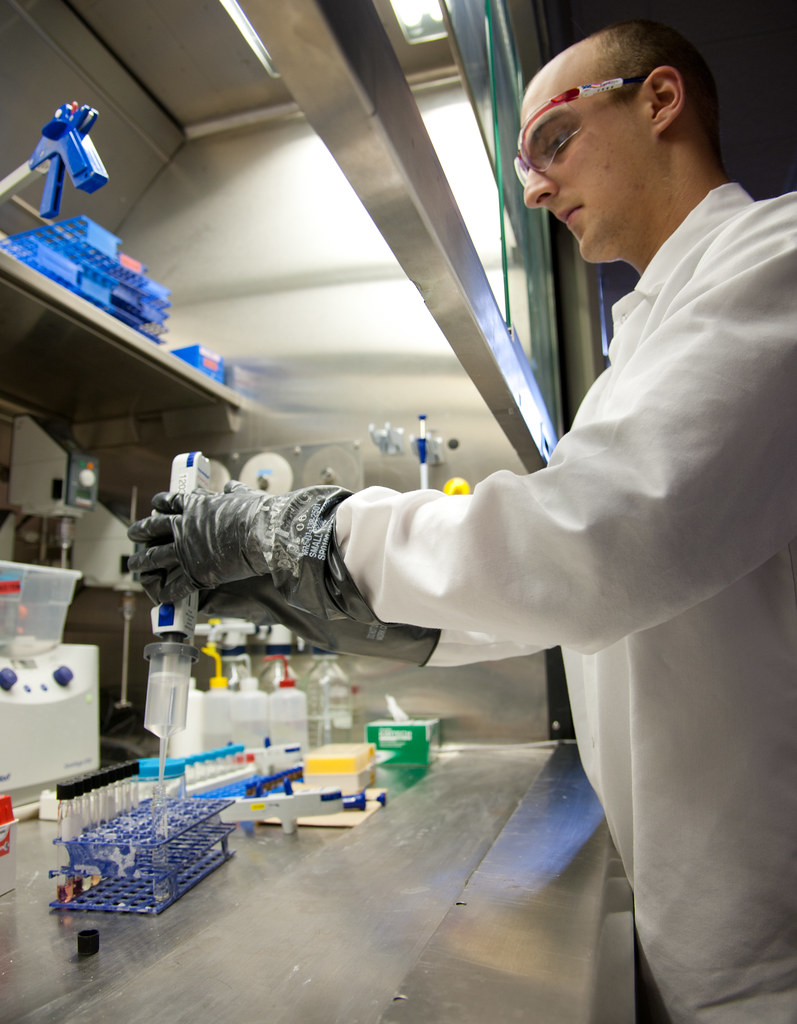
Advancements in metagenomics and bioinformatics have allowed scientists to analyze the microbiome at an unprecedented scale. In 2026, researchers are focusing on the following innovations:
- Personalized Probiotics: By mapping individual microbiomes, scientists can create tailored probiotic treatments to restore balance and improve health outcomes.
- Microbiome-Targeted Therapies: New therapeutic approaches target specific bacterial populations to combat diseases like obesity, diabetes, and inflammatory bowel disorders.
- Diet-Microbiome Interactions: Researchers are investigating how different dietary patterns influence microbiome composition and function, leading to actionable dietary recommendations.
The Gut-Brain Axis
One of the most exciting revelations in microbiome research is the gut-brain axis, the bidirectional communication pathway between the gut and the brain. This relationship has profound implications for mental health and cognitive function. Also read: wak89 for more insights.
- Impact on Mood and Behavior: Studies have shown that changes in the gut microbiome can influence neurotransmitter levels, potentially affecting mood disorders such as anxiety and depression.
- Cognitive Function: There’s growing evidence suggesting that a healthy microbiome can enhance cognitive functions, including memory and learning.
Challenges in Microbiome Research
Despite the progress made, researchers face several challenges in microbiome science, including:
- Variability Among Individuals: The microbiome is highly individualistic, making it difficult to establish universal guidelines or treatments.
- Ethical Considerations: The manipulation of the microbiome raises ethical questions regarding safety and the long-term effects of such interventions.
The Future of Microbiome Applications
As research continues, the future holds exciting possibilities for microbiome applications across various fields:
- Healthcare: Microbiome profiling could become a routine part of medical diagnostics, allowing for proactive health management.
- Nutrition: Food products may be developed specifically to nourish beneficial bacteria in the gut, promoting overall health.
- Pharmaceuticals: The development of microbiome-specific medications could revolutionize the treatment of chronic diseases.
Conclusion
The exploration of the human microbiome is reshaping our understanding of health and disease in 2026. By unlocking the secrets of these microscopic organisms, we stand on the brink of new therapeutic frontiers that could enhance our quality of life. As research continues to evolve, it is crucial for both scientists and the public to stay informed about the implications of microbiome science and its potential to transform healthcare.