Introduction to Synthetic Biology
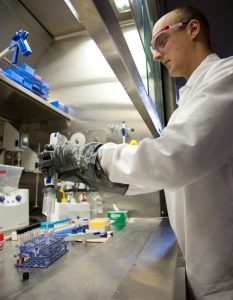
Synthetic biology is an interdisciplinary field that combines principles of biology, engineering, and technology. It aims to design and create new biological parts, devices, and systems or redesign existing biological systems for useful purposes. As of 2026, synthetic biology stands at the forefront of innovation, presenting solutions that could revolutionize medicine and agriculture.

The Current Landscape of Synthetic Biology
As we move through 2026, remarkable advancements in synthetic biology are evident. Researchers are increasingly using genetic engineering to create organisms that can produce pharmaceuticals, biofuels, and even food ingredients more efficiently and sustainably. The technological growth in this field has been driven by advances in DNA synthesis, gene editing technologies like CRISPR, and computational biology.
Key Innovations in Medicine
- Tailored Therapies: Synthetic biology enables the design of personalized medicine. By engineering microbes to produce specific therapeutics tailored to an individual’s genetic makeup, treatment outcomes can improve significantly.
- Vaccines Production: The rapid development of synthetic vaccines in response to health crises demonstrates the potential of this technology. For instance, synthetic biology has accelerated the production of mRNA vaccines, making them more accessible worldwide.
- Biologics and Advanced Treatments: New biologic drugs produced through engineered organisms are becoming more common. These treatments offer targeted action with fewer side effects, particularly in the treatment of complex diseases such as cancer.
Transformations in Agriculture
- Enhanced Crop Resilience: Synthetic biology is being leveraged to engineer crops that can withstand harsh environmental conditions, such as droughts or pests. This is crucial for ensuring food security in the face of climate change.
- Improved Nutritional Profiles: Researchers are creating crops enriched with essential nutrients through synthetic biology, addressing malnutrition in developing regions.
- Sustainable Practices: Bioengineered plants that require fewer chemical fertilizers and pesticides are helping to promote sustainable agricultural practices, reducing the environmental impact of farming.
Ethical Considerations and Challenges
While the advancements in synthetic biology bring immense possibilities, they also raise ethical concerns. The modification of living organisms prompts debates about ecological impacts, potential risks of bioengineering, and the moral implications of altering life forms.
Regulatory Landscape
The regulatory frameworks surrounding synthetic biology are evolving. Governments and international bodies are working to establish guidelines to ensure safety and efficacy while fostering innovation. In 2026, a collaborative global effort is underway to create harmonized regulations that address the unique challenges posed by synthetic biology.
Future Directions
Looking ahead, the future of synthetic biology appears promising. Innovations are likely to expand beyond medicine and agriculture into fields such as environmental remediation and biomanufacturing. The continued integration of artificial intelligence in synthetic biology will further enhance research capabilities, allowing for accelerated discoveries.
Collaboration Across Disciplines
The interdisciplinary nature of synthetic biology means collaboration is essential. Partnerships between scientists, engineers, ethicists, and policymakers will play a critical role in shaping the future of this field.
Conclusion
As we progress through 2026, synthetic biology is poised to provide groundbreaking solutions to some of the world’s most pressing challenges in health and food security. While the potential is vast, careful consideration of ethical implications and regulatory measures will be vital to harness this technology responsibly.