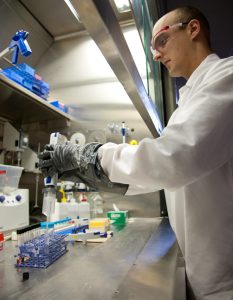
The Rise of Biotechnology: Transforming Health and Agriculture in 2026
As we dive deeper into the 21st century, biotechnology is emerging as a pivotal field that is reshaping our understanding of health and agriculture. With advancements happening at an unprecedented pace, 2026 offers a unique perspective on how these innovations are changing lives and environments alike.

What is Biotechnology?
Biotechnology refers to the manipulation of living organisms or their components to develop new products or processes. This field merges biology with technology, leading to breakthroughs that can enhance health, agriculture, and even environmental sustainability. Here’s how these advancements are currently manifesting:
- Genetic Engineering: This technology allows scientists to alter the genetic makeup of organisms, producing crops that are resistant to pests and diseases.
- CRISPR Technology: CRISPR-Cas9 has revolutionized gene editing, enabling precise modifications to DNA, which has enormous implications for treating genetic disorders.
- Biopharmaceuticals: These are medicines produced using biotechnology, revolutionizing treatment options for various diseases, including cancer and autoimmune disorders.
Health Innovations Fueled by Biotechnology
Biotechnology is leading to remarkable innovations in healthcare that are improving patient outcomes and transforming how we approach disease.
1. Personalized Medicine
The concept of personalized medicine is gaining traction, thanks to biotechnological advancements. In 2026, healthcare professionals can tailor treatments based on an individual’s genetic profile, leading to:
- Targeted Therapies: Treatments that are customized to target specific genetic mutations associated with diseases.
- Improved Drug Efficacy: Medications that are specifically designed for a patient’s unique genetic makeup reduce side effects and enhance effectiveness.
2. Advanced Vaccination Techniques
Biotechnology has also transformed vaccine development. Novel platforms, including:
- Messenger RNA (mRNA) Vaccines: Used prominently during the pandemic, mRNA technology is now being employed to develop vaccines for other infectious diseases and even cancer.
- Viral Vector Vaccines: These vaccines utilize modified viruses to deliver genetic material that prompts an immune response, becoming increasingly popular for rapid vaccine rollout.
Transforming Agriculture Through Biotechnology
As the global population continues to grow, the demand for sustainable agricultural solutions has never been more urgent. Biotechnology offers innovative approaches to meet these challenges.
1. Genetically Modified Organisms (GMOs)
GMOs play a crucial role in addressing food security. In 2026, we see:
- Enhanced Crop Yields: Crops engineered for higher yields help farmers produce more food on the same amount of land.
- Environmental Resilience: Crops that can withstand extreme weather conditions or resist pests sustainably reduce the need for chemical pesticides.
2. Biofortification
This is the process of increasing the nutritional value of crops through biotechnology. Advances in biofortification in 2026 include:
- Enhanced Nutritional Content: Crops such as iron-fortified rice and vitamin A-enriched sweet potatoes are now commonplace, addressing micronutrient deficiencies.
- Healthier Livestock: Biotechnology also focuses on improving livestock health through genetic modifications that enhance disease resistance.
Regulatory and Ethical Considerations
Despite the benefits, the rapid development of biotechnology raises significant regulatory and ethical issues that need to be addressed.
- Safety Assessments: Governments and organizations are developing robust frameworks to assess the safety of biotechnological products.
- Ethical Concerns: The manipulation of genetic material has sparked debates over the moral implications and long-term effects on biodiversity and ecosystem stability.
The Future of Biotechnology
Looking ahead, the future of biotechnology is brimming with potential. In the coming years, we can expect:
- Enhanced Collaboration: Increased partnerships between governments, academia, and private sectors to drive innovation.
- Venture Capital Growth: As biotechnology shows promising returns, investments will likely surge, enabling startups to thrive and innovate.
- Global Health Initiatives: A continued focus on using biotechnology to address global health challenges, ensuring equitable access to advancements.
Conclusion
As we navigate the complexities of modern health and agriculture, the role of biotechnology becomes increasingly central. By embracing these innovations responsibly, we can enhance food security, improve health outcomes, and pave the way for a promising future. It is essential that societies engage in open dialogue about the implications of biotechnological advancements to ensure they benefit all.