Introduction to Citizen Science
Citizen science has emerged as a powerful force in research, bridging gaps between the scientific community and the public. In 2026, the importance of public participation in scientific study is more evident than ever, especially with technological advancements and increased accessibility to tools that foster engagement.
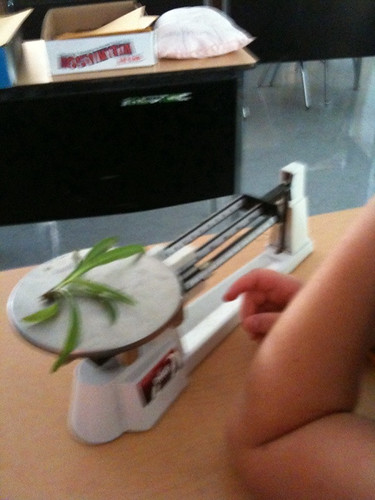
The Evolution of Citizen Science
Citizen science is not a new concept, but its evolution has accelerated in recent years. Traditionally, it involved amateur scientists working alongside professionals on specific projects. However, advancements in technology have reshaped citizen science into a more inclusive and collaborative effort.
The Digital Revolution
The rise of smartphones, social media, and DIY science kits has transformed how individuals contribute to scientific knowledge. Platforms such as iNaturalist and Galaxy Zoo allow non-experts to collect data, analyze findings, and even publish their results, making significant contributions to fields like biology and astronomy.
Benefits of Citizen Science
Citizen science offers numerous benefits that enhance the research process. Here are some key advantages:
- Data Collection: Citizens provide vast quantities of data that researchers could not gather alone due to time and budget constraints.
- Community Engagement: Involving the public fosters greater interest in scientific endeavors, encouraging community members to be more informed and engaged.
- Diverse Perspectives: Citizen scientists from varied backgrounds offer unique insights, which can lead to innovative approaches to research questions.
- Education and Awareness: Citizen science projects often serve as educational tools, raising awareness about important scientific issues and promoting STEM education.
Notable Citizen Science Projects in 2026
Several citizen science projects in 2026 exemplify the movement’s potential. Here are a few notable examples:
Project FeederWatch
This long-term project invites bird enthusiasts to observe and count the birds that visit their feeders. The collected data helps scientists track bird populations and migration patterns over time.
Foldit
An innovative online puzzle game, Foldit allows players to explore protein folding. Players contribute to scientific research by finding optimal protein structures, leading to breakthroughs in pharmaceuticals and disease treatment.
eBird
The eBird project has become a cornerstone for birdwatchers worldwide. By submitting their observations, citizen scientists help build a comprehensive database that supports important research on avian species and conservation efforts.
Challenges and Considerations
Despite its advantages, citizen science also faces challenges that need to be addressed for it to thrive:
- Data Quality: Ensuring the reliability of data collected by amateurs can be a concern. Researchers must develop robust methods for validation and verification.
- Training and Support: Providing adequate training and resources for citizen scientists is crucial to maximize their contributions and engagement.
- Ethical Considerations: Researchers must navigate the ethical implications of involving non-professionals in scientific research, ensuring transparency and fairness in their practices.
Future Directions for Citizen Science
As we move further into the 21st century, the role of citizen science will continue to evolve. Here are potential trends to watch:
- Integration with Artificial Intelligence: Using AI to analyze citizen-collected data could enhance the efficiency and accuracy of research.
- Collaboration Across Disciplines: The future of citizen science may also see more interdisciplinary projects, combining efforts from different fields to tackle complex global issues.
- Global Participation: Citizen science initiatives are likely to expand globally, inviting diverse populations to participate in local and international research projects.
Conclusion
Citizen science is transforming the landscape of scientific research, empowering individuals to contribute meaningfully to knowledge creation. In 2026, as technology and accessibility continue to improve, citizen science will play an increasingly vital role in addressing some of the most pressing challenges facing our world today, from climate change to public health.