The Intersection of Art and Science: A Synergistic Relationship
In recent years, the domains of art and science have begun to converge in unprecedented ways, leading to remarkable innovations and a deeper understanding of both fields. This intersection challenges the traditional boundaries and encourages collaboration that fuels creativity and scientific exploration.
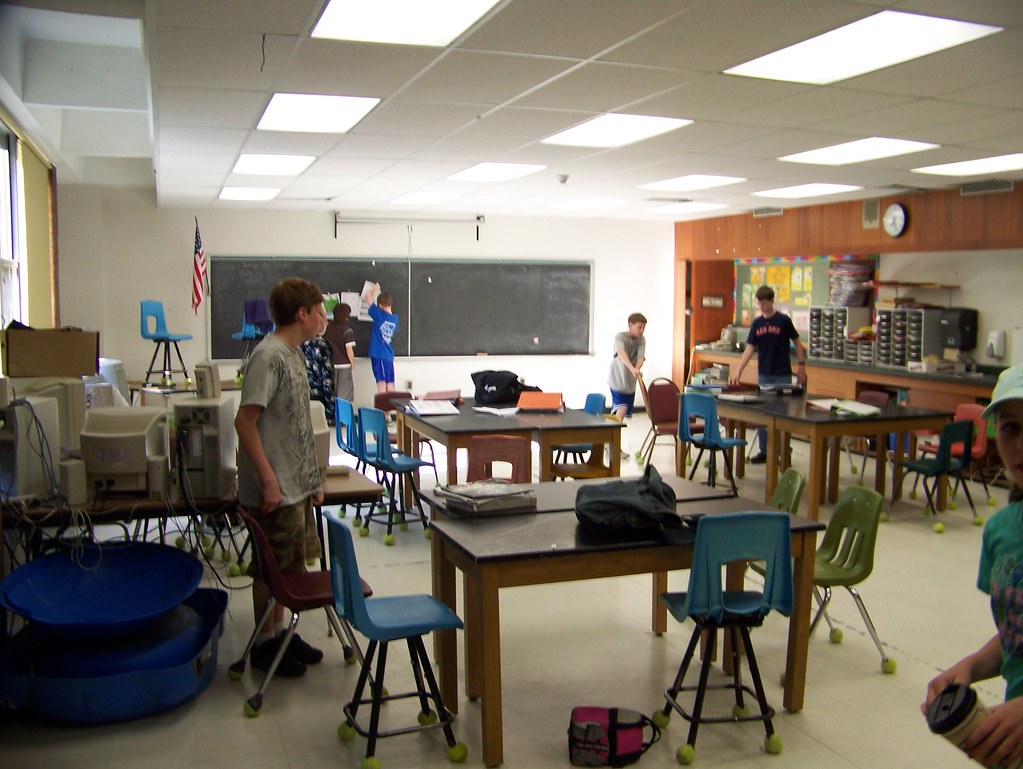
Understanding the Concept
The fusion of art and science is not a new phenomenon; however, its significance has grown in 2026 due to technological advancements and a heightened appreciation for interdisciplinary studies. Artists and scientists are now working together to solve complex problems, explore new ideas, and inspire change.
Why This Collaboration Matters
The collaboration between these two seemingly disparate fields creates a synergy that enhances both creativity and scientific rigor. Here are some reasons why this interdisciplinary approach is crucial:
- Innovation: The artistic process can inspire novel scientific ideas, while scientific methods can refine artistic techniques.
- Communication: Art can serve as a powerful medium for conveying scientific concepts and engaging the public in complex topics.
- Problem Solving: Diverse perspectives can lead to innovative solutions for pressing global issues such as climate change and public health.
Modern Examples of Art-Science Collaboration
Several projects and initiatives exemplify the fruitful collaboration between art and science in 2026:
- Data Visualization: Artists are transforming complex scientific data into visual narratives that are accessible to the general public, thereby enhancing understanding of climate data, health statistics, and more.
- Environmental Art: Artists are using their platforms to raise awareness about environmental issues, often collaborating with scientists to create pieces that reflect data on climate change, biodiversity loss, and conservation efforts.
- BioArt: Some artists are experimenting with living organisms, utilizing biotechnological tools to create art that blurs the lines between life and creativity.
Impact on Education
The integration of art into scientific education has shown to be an effective way to engage students and improve learning outcomes. Educational programs that combine artistic practices with scientific inquiry encourage critical thinking, creativity, and collaboration among students. Examples of this include:
- STEAM Initiatives: Moving beyond the traditional STEM (science, technology, engineering, and mathematics) model, STEAM (adding arts) programs foster a more holistic approach to education.
- Workshops and Exhibitions: Integrative workshops and exhibitions that showcase the work of both artists and scientists inspire collaboration and highlight the importance of both fields.
Challenges to Integration
Despite the numerous benefits, integrating art and science poses several challenges:
- Disciplinary Silos: Many institutions still operate in silos, making it difficult for artists and scientists to collaborate.
- Funding and Support: Interdisciplinary projects may struggle to receive funding, as conventional grants often favor projects that adhere strictly to one discipline.
- Preconceived Notions: Artists and scientists may have preconceived notions about each other’s work that hinder collaboration.
The Future of Art-Science Collaboration
Looking ahead, the art-science nexus is set to grow, driven by advancements in technology, increasing awareness of global issues, and the necessity for innovative solutions. The future may include:
- Expanded Collaboration: More institutions may embrace interdisciplinary teams, fostering environments where creativity and scientific inquiry thrive together.
- Enhanced Public Engagement: As art becomes a vehicle for scientific communication, the public’s understanding and interest in scientific phenomena is likely to increase.
- Innovative Solutions: The necessity for solutions to global challenges will continue to push collaborations that marry artistic creativity with scientific innovation.
Conclusion
The ongoing convergence of art and science represents a promising frontier for innovation and understanding in 2026 and beyond. By embracing the synergy between these two fields, we can unlock new possibilities that enhance both our scientific knowledge and our artistic expression. As we move forward, it is vital to continue fostering this collaboration, as it holds the key to addressing some of the most significant challenges of our time.