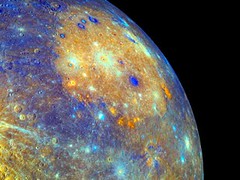
The Importance of Planetary Science
Planetary science is a multidisciplinary field that examines the planets, moons, and other celestial bodies in our solar system and beyond. As we progress further into 2026, the significance of understanding these celestial entities has never been more pronounced. Planetary science not only quenches our curiosity about the cosmos but also provides essential insights into the origins of life, climate change, and the future of humanity in space.

Recent Discoveries in Planetary Science
In the last few years, there have been groundbreaking discoveries that have reshaped our understanding of the solar system. Here are some highlights:
- Unprecedented Data from Mars Missions: NASA’s Perseverance rover and the Ingenuity helicopter have provided invaluable data about Martian geology and climate, revealing potential signs of ancient microbial life.
- Insights into Venus’s Atmosphere: Recent studies leveraging data from the Akatsuki spacecraft suggest the presence of unexpected atmospheric phenomena, hinting at volcanic activity.
- Discovery of Exoplanets: New techniques in observing distant stars have led to the identification of exoplanets with conditions potentially conducive to life, showcasing the continuous advancements in detection methodologies.
Deep Dives into Mars
One of the primary focuses of planetary science in 2026 is Mars. The ongoing exploration of the Red Planet is unveiling secrets that challenge previous notions. The discovery of ancient riverbeds and mineral deposits indicates a once-wet environment that could have supported life.
Future Missions and Collaborations
The future of Mars exploration looks promising. Upcoming missions such as the Mars Sample Return are set to bring back pristine Martian soil and rocks for Earth-based analysis, which may finally answer the question of whether life ever existed on our neighboring planet. Additionally, international collaborations involving ESA, NASA, and other space agencies are on the rise, marking a new era of cooperative planetary exploration.
The Role of Space Telescopes
Space telescopes continue to play a pivotal role in advancing our knowledge. The James Webb Space Telescope (JWST), launched in late 2021, has already exceeded expectations, providing stunning images and insights into the atmospheres of distant worlds. Its ability to analyze the light from exoplanets offers clues about their habitability.
The Impact of Technology on Planetary Science
Innovations in technology are also transforming planetary science. Enhanced imaging techniques, AI data analysis, and robotic exploration are significantly improving our ability to capture and interpret data from the cosmos. For instance, machine learning algorithms are being utilized to sift through vast amounts of data collected from space missions, helping scientists identify patterns and make significant discoveries.
Interdisciplinary Approaches
Today’s planetary science often intersects with other fields, such as biology, geology, and engineering. Understanding planetary atmospheres may rely on principles from climate science, while astrobiology blends biology with our understanding of potential life elsewhere. This interdisciplinary approach is vital for fostering innovative solutions to complex problems.
The Future of Exploration
Looking ahead, planetary science holds great promise for the future. Plans for lunar missions, such as NASA’s Artemis program, aim to establish a sustainable human presence on the Moon and pave the way for further exploration of Mars and beyond. These missions will not only push the boundaries of scientific discovery but also inspire the next generation of scientists and explorers.
Conclusion
As we delve deeper into 2026, the field of planetary science continues to unravel the mysteries of our solar system. From Mars exploration to advancements in space technology, the quest to understand our cosmic neighborhood is more vibrant than ever. The potential for discovery is boundless, and with each new finding, we come one step closer to understanding our place in the universe. As we look to the stars, we must foster curiosity and creativity, ensuring that the wonders of planetary science inspire and guide future generations.